Shower Tile Waterproofing in Denver County, CO
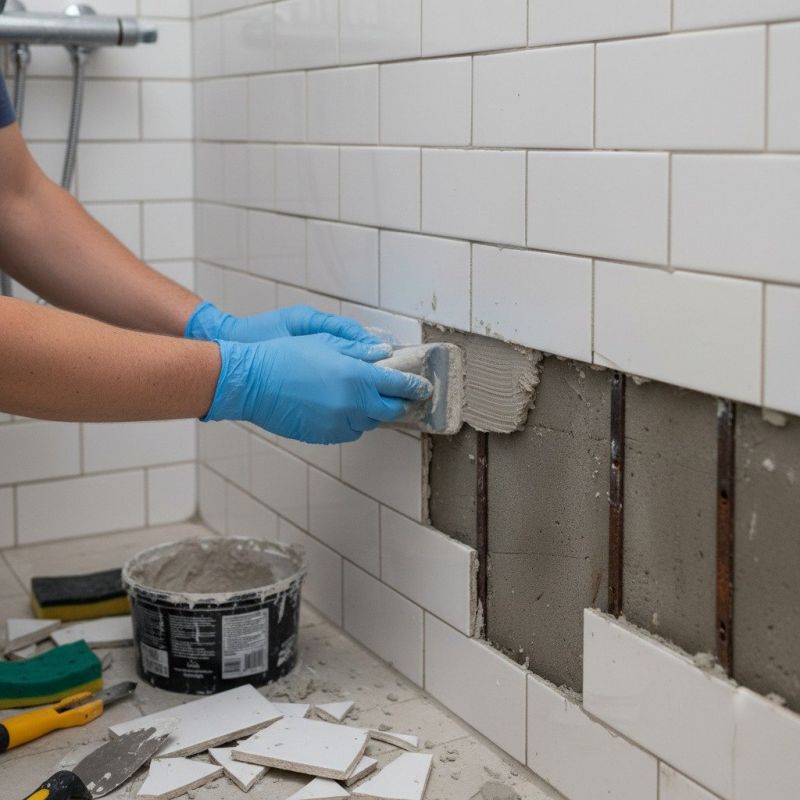
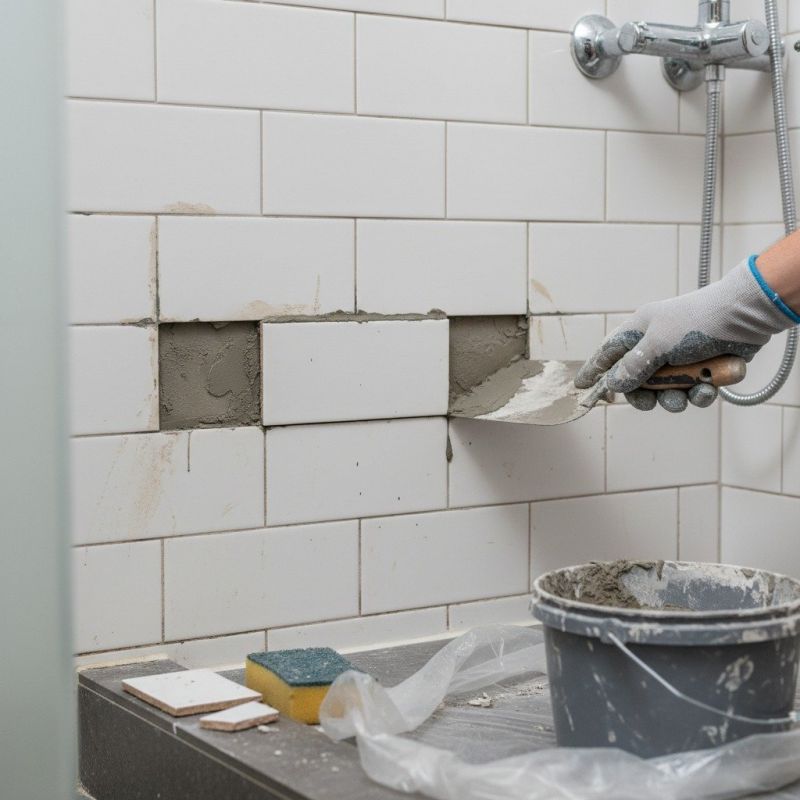
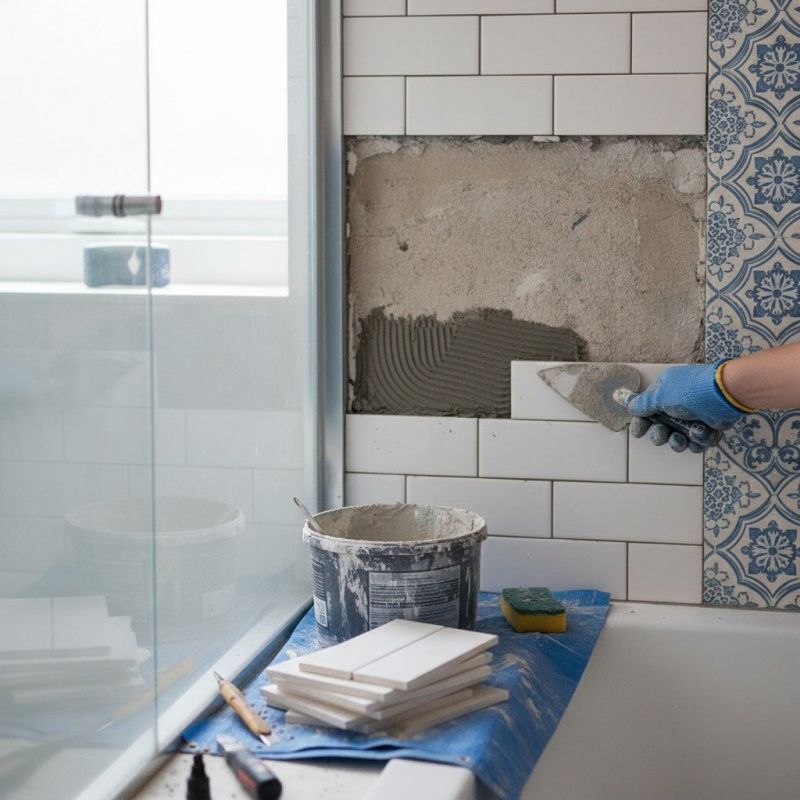
Shower tile waterproofing services are designed to protect bathroom surfaces from water intrusion and damage. This process involves applying specialized sealants or membranes to the shower area, including walls, floors, and grout lines, to create a barrier that prevents moisture from seeping into underlying structures. These services are commonly requested for new bathroom installations, renovations, or to repair existing issues such as mold, water stains, or cracked tiles that may indicate water leakage. Homeowners often want to understand the types of waterproofing materials used, the areas covered, and how the process can extend the lifespan of shower components while maintaining a clean and safe bathroom environment.
Property owners typically inquire about the scope of waterproofing coverage, including whether it extends behind tiles or only on visible surfaces, as well as any necessary preparation steps beforehand. It’s important to consider the current condition of the shower, such as existing damage or signs of water penetration, to determine the most effective waterproofing approach. Understanding the durability of the waterproofing materials and any maintenance requirements can help homeowners make informed decisions to safeguard their bathroom investments and prevent costly repairs in the future.
Many property owners in Denver County, CO look into Shower Tile Waterproofing for repairs, replacements, upgrades, and appearance-related improvements.
Shower Tile Waterproofing Benefits
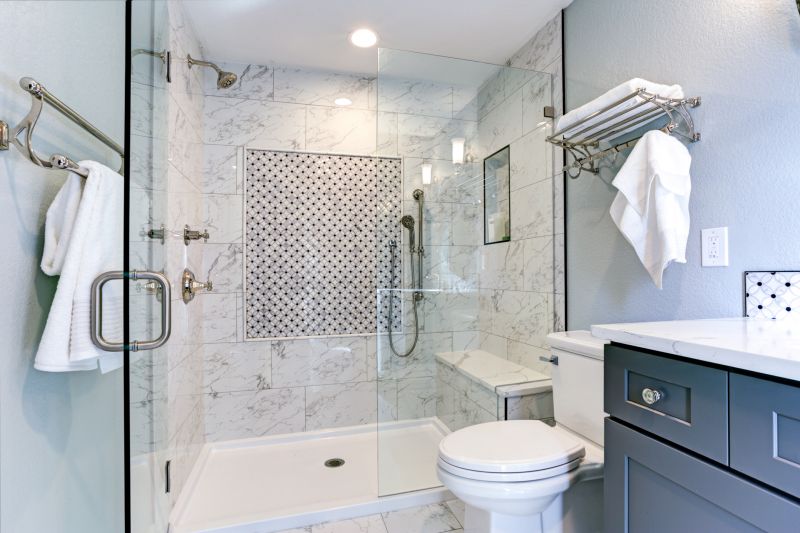
Proper waterproofing helps prevent water damage and mold growth in your bathroom.
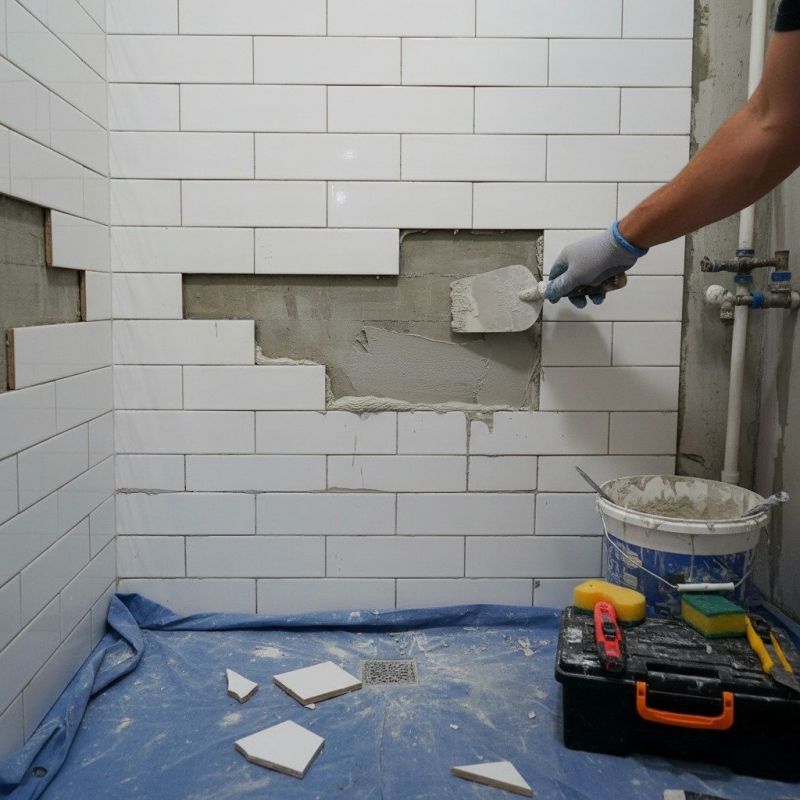
Common Waterproofing Techniques
Sealing joints, membranes, and coatings are essential to keep moisture out of shower areas.
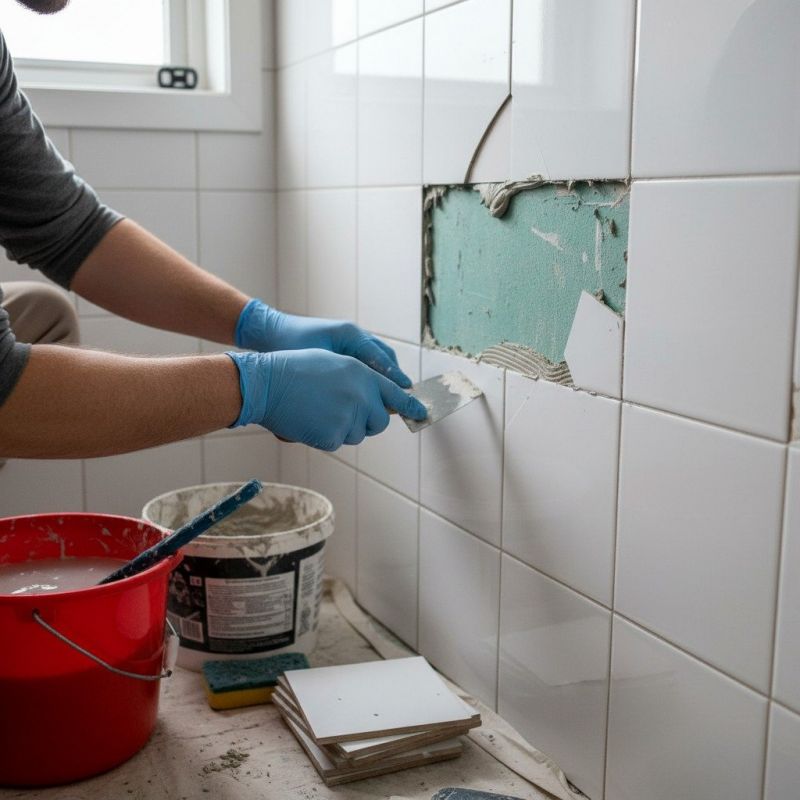
Maintenance Tips For Longevity
Regular inspections and resealing can extend the life of your shower tile waterproofing system in denver county, co.
Shower Tile Waterproofing in Denver County, CO
Shower tile waterproofing services are designed to protect bathroom surfaces from water intrusion and damage. This process involves applying specialized sealants or membranes to the shower area, including walls, floors, and grout lines, to create a barrier that prevents moisture from seeping into underlying structures. These services are commonly requested for new bathroom installations, renovations, or to repair existing issues such as mold, water stains, or cracked tiles that may indicate water leakage. Homeowners often want to understand the types of waterproofing materials used, the areas covered, and how the process can extend the lifespan of shower components while maintaining a clean and safe bathroom environment.
Property owners typically inquire about the scope of waterproofing coverage, including whether it extends behind tiles or only on visible surfaces, as well as any necessary preparation steps beforehand. It’s important to consider the current condition of the shower, such as existing damage or signs of water penetration, to determine the most effective waterproofing approach. Understanding the durability of the waterproofing materials and any maintenance requirements can help homeowners make informed decisions to safeguard their bathroom investments and prevent costly repairs in the future.
Many property owners in Denver County, CO look into Shower Tile Waterproofing for repairs, replacements, upgrades, and appearance-related improvements.
Common Shower Tile Waterproofing Jobs
Shower Tile Waterproofing - Protects bathroom walls and floors from water damage and mold growth.
Wet Area Sealing - Ensures a waterproof barrier around shower enclosures and niches.
Leak Prevention - Stops water from seeping behind tiles and causing structural issues.
Waterproof Membranes - Applies durable layers to extend the lifespan of shower installations.
Tile Grout Waterproofing - Seals grout lines to prevent water penetration and staining.
Re-Tiling Waterproofing - Prepares surfaces for new tile installations with effective moisture barriers.
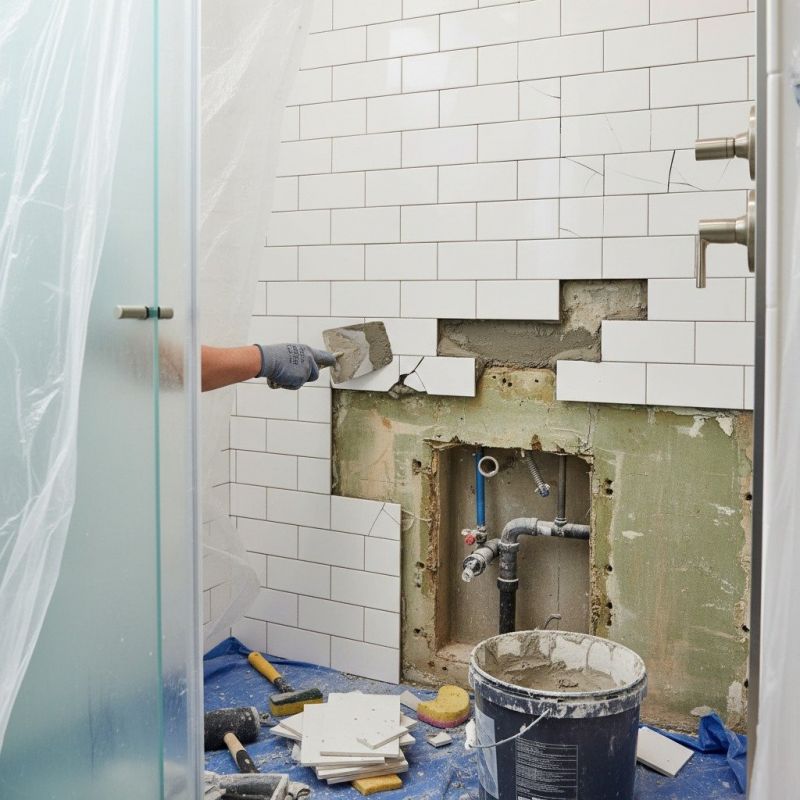
Shower Tile Waterproofing Questions
What is shower tile waterproofing? Shower tile waterproofing involves applying a protective barrier to prevent water from penetrating behind tiles, reducing the risk of damage and mold growth.
Why is waterproofing important for showers? Waterproofing helps protect the underlying structure from water damage, ensuring the longevity and durability of the shower area.
What types of waterproofing materials are used? Common materials include liquid membranes, sheet membranes, and waterproofing tapes, all designed to create a moisture-resistant barrier.
When should waterproofing be done during a shower renovation? Waterproofing is typically installed during the initial tiling process before the final grout and fixtures are put in place.
Request Shower Tile Waterproofing in Denver County, CO
Use the quote form on this page to share the basics of your project and request more information for the type of work you need.